Real-time data synchronization
Eliminates manual updates and reduces costly errors across every connected platform.

Connect what’s already working, and let your systems run as one
Sales increase, operations expand, and suddenly your business depends on multiple systems: CRM, ERP, marketing tools, inventory platforms. All working in parallel but never truly together. Data gets duplicated, teams switch between platforms, and decisions are made on incomplete information.
Middleware Integration turns disconnected tools into a single coordinated ecosystem, without replacing what already works.
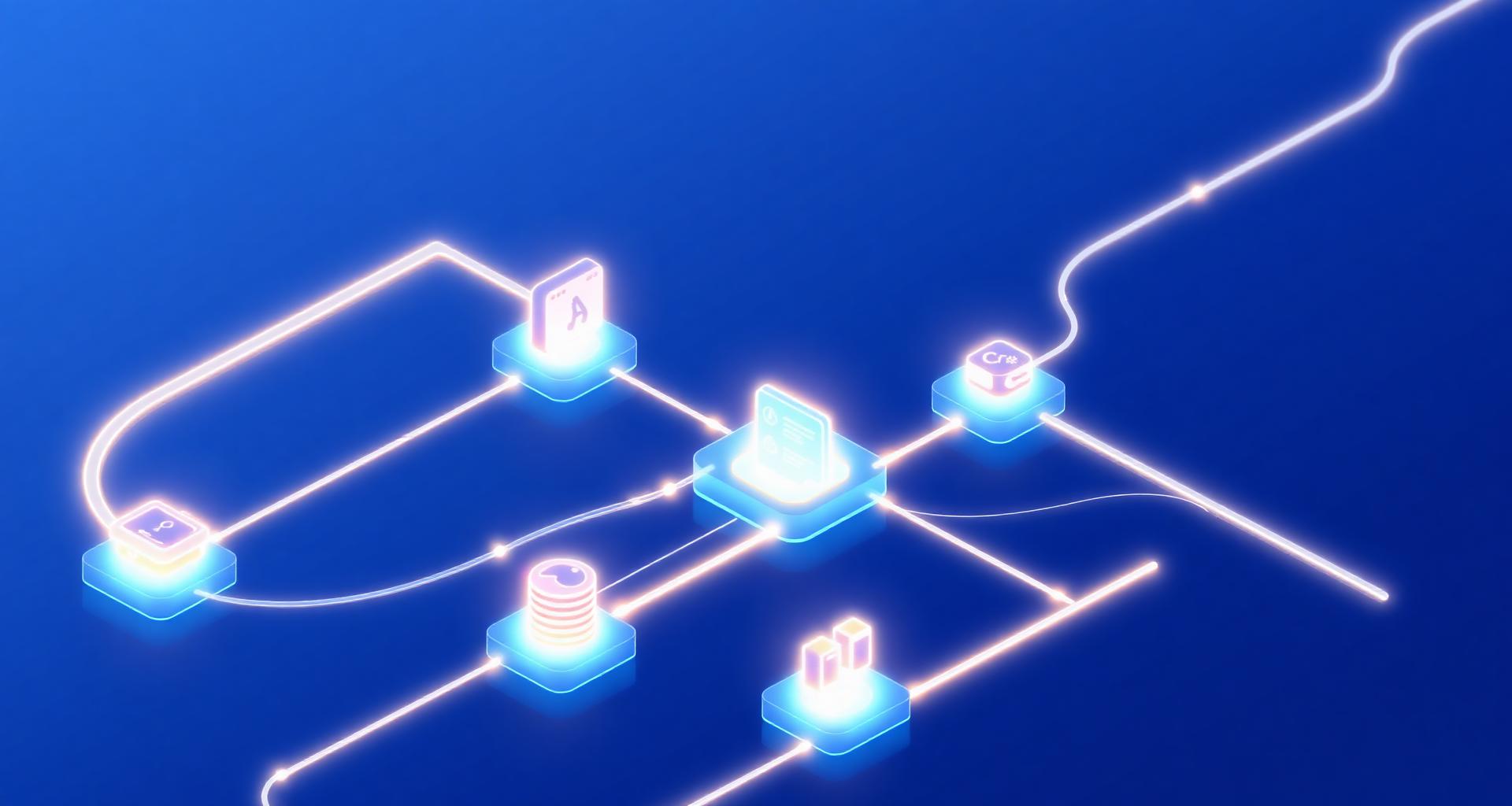
Middleware Integration exists to connect the systems you already rely on, turning disconnected tools into a single, coordinated ecosystem. Instead of replacing what works, it ensures everything works together. Information flows automatically, processes become consistent, and your business regains clarity and control without starting from scratch.
Technology should support growth, not complicate it. When systems don’t communicate, the cost isn’t just technical. It shows up in missed opportunities, operational friction, and decisions based on outdated data. Integration is about building a foundation where every part of your business contributes to a bigger, unified picture, and your company operates as one system, not many.
We start by understanding how your current systems interact, or fail to. We map the data flows that actually matter, identifying where delays, duplication, or errors occur. Instead of forcing rigid connections, we design a middleware layer that acts as a translator between your platforms, allowing real-time exchange without disrupting their core functionality. Each connection is tested against real business scenarios for reliability under pressure.
Every system has its own architecture, data structure, and limitations. A poorly built integration can create more problems than it solves: data inconsistencies, slowdowns, or even critical failures during peak operations. We avoid that with disciplined engineering:
The goal isn’t just to connect systems, but to make those connections reliable under real-world conditions.

/What you receive
Connect your systems. Restore operational clarity. A middleware layer that adapts to your workflows, not the other way around.
Eliminates manual updates and reduces costly errors across every connected platform.
Designed to match your exact workflows, not force you into someone else’s structure.
Every department gets access to consistent, reliable information from a single source.
Adapts as you add new tools or expand operations, without rebuilding the foundation.
Continuous monitoring and validation layers protect operations during peak load.
Once your systems start working together, the impact becomes visible quickly. Teams spend less time correcting data and more time acting on it. Marketing aligns better with sales, operations gain predictability, and leadership finally sees a complete picture of the business in real time.
Instead of reacting to problems, you start anticipating them. Growth becomes smoother because your infrastructure no longer creates friction. It supports it.
The biggest shift is operational clarity: knowing what’s happening across every platform, in real time, without manual reconciliation.

Integration moves in stages, connecting critical components first to deliver immediate value. As stability is confirmed, additional layers are added without disrupting daily operations.
A focused phase identifying key systems, data flows, and integration priorities across your operations.
Critical components connected first to deliver immediate value, with each stage validated before the next.
Additional layers added gradually, building a fully connected ecosystem without disrupting daily operations.
A successful integration is not just about technology. It’s about collaboration. It requires alignment between your business goals and the systems that support them. That’s where the real transformation happens.
WHAT HAPPENS NEXT
150+
Clients served
2015
Year founded
95%
Client retention
20+
Team members
With experience in complex digital systems since 2015, TheFactory approaches integration with one objective: make your business simpler to run, not harder to manage, starting with a low-risk entry point.
What else could use a hand?
Thank you. We have everything we need to prepare a useful first call.
