Keyword & intent mapping
Targets what buyers actually look for, not just high-volume terms with no commercial value.

Stop renting traffic. Start owning it
Most e-commerce websites don’t fail because of bad products. They fail quietly in search results. Pages stay invisible, categories don’t rank, and traffic depends almost entirely on ads. The moment ad spend slows down, sales follow, creating a fragile system where growth feels forced instead of natural.
E-commerce SEO turns your store into a consistent source of qualified organic sales.
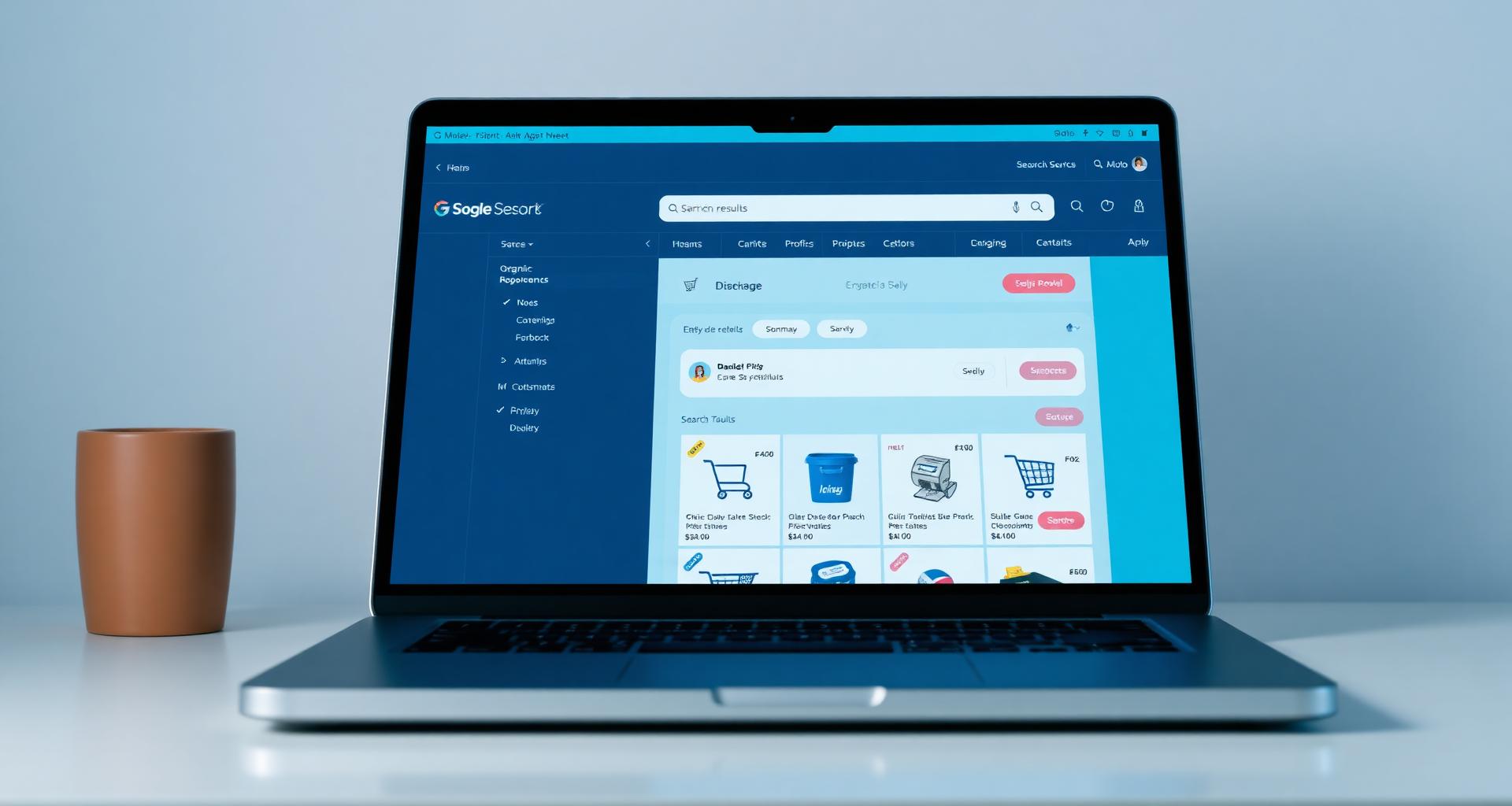
E-commerce SEO is about turning your website into a consistent source of qualified traffic, people who are already searching for what you sell. It’s not just about rankings. It’s about structuring your store, your categories, and your product pages in a way that aligns with how real customers search, compare, and decide.
Paid traffic can bring quick wins, but it rarely builds stability. Search visibility, on the other hand, compounds. When your products and categories rank well, you’re no longer chasing every sale. You’re positioned where buying decisions already happen. Over time, this creates a system where growth is driven by demand, not just budget.
We start by understanding how people actually search in your niche, far beyond obvious keywords. From there, your site structure is reshaped so categories target intent, not just product grouping. Product pages are expanded with content that answers real questions. Technical barriers: indexing issues, duplicate content, slow load times, poor internal linking. Are removed. Authority is then built gradually through relevant backlinks and content that earns visibility.
Platforms like Shopify or WooCommerce come with built-in limitations: URL structures, filtering systems, duplicate pages. That can quietly block performance if left unchecked. Search engines need clear signals, and getting them right requires experience.
Done right, this reduces wasted traffic, strengthens ranking signals, and prevents costly mistakes that often go unnoticed.
/What you receive
Turn your store into a consistent source of qualified organic sales.
Targets what buyers actually look for, not just high-volume terms with no commercial value.
Optimized to improve rankings while increasing conversion relevance for real buyers.
Removes structural issues on Shopify, WooCommerce, Magento that quietly block visibility.
Strengthens trust and long-term ranking power through content that earns visibility.
Ensures your most valuable pages get the attention they deserve, authority flows where revenue happens.
As visibility grows, traffic becomes more predictable. Instead of relying on constant ad spend, your store starts attracting users who are already in buying mode.
This typically leads to higher conversion rates, lower acquisition costs, and more stable revenue.
Stores that invest in SEO often see category pages becoming top performers, not just product pages, creating multiple entry points for customers and a foundation that doesn’t reset every month.
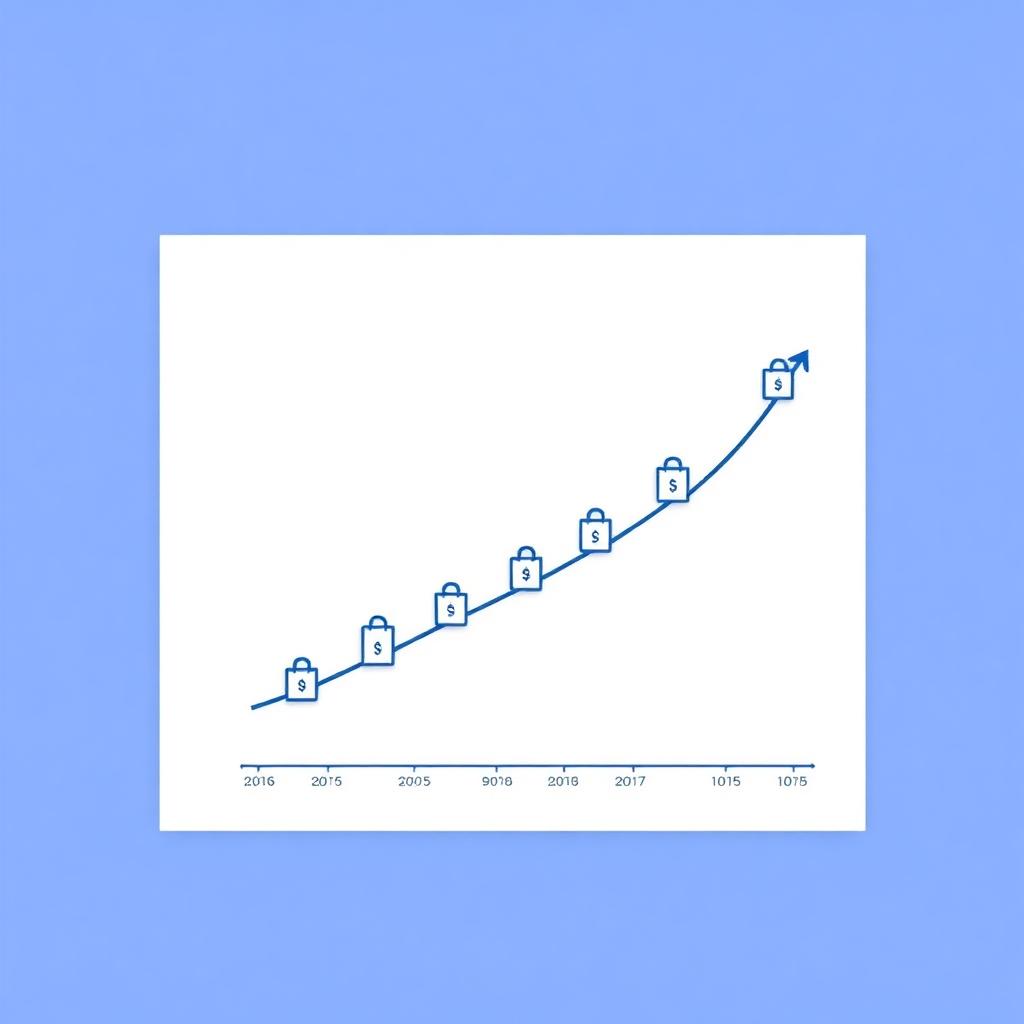
SEO doesn’t spike overnight, but it scales in a way that becomes increasingly difficult for competitors to replicate quickly.
Better indexing, improved rankings on less competitive terms, and gradual traffic increases, visible within the first few months.
Content develops, links are acquired, and category pages start moving on more competitive terms with real revenue impact.
SEO scales in a way competitors can’t easily replicate: visibility, traffic, and organic revenue keep building on themselves.
A successful SEO strategy isn’t built in isolation. It requires collaboration, clarity, and a shared understanding of what growth actually means for your business. If your store is ready to move beyond dependency on ads and build something more sustainable. This is where the shift begins.
WHAT HAPPENS NEXT
150+
Clients served
2015
Year founded
95%
Client retention
20+
Team members
What else could use a hand?
Thank you. We have everything we need to prepare a useful first call.
